

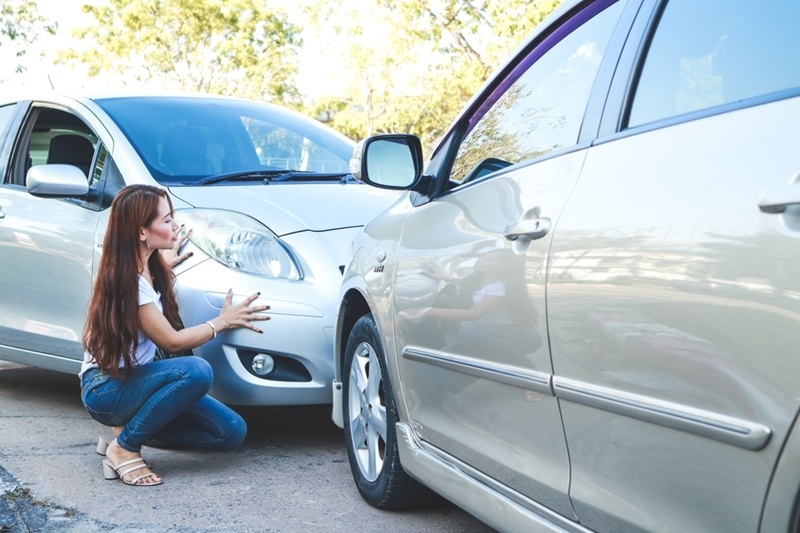
Collision coverage is a part of auto insurance that pays for damage to your car after a crash. It usually applies when your vehicle hits another car or a fixed object. Many drivers search for what collision coverage is and also wonder if insurance covers car accident damage under this option.
This blog will explain the definition of collision coverage and cover how it works. It will also help you understand when collision coverage pays for your car repairs.
Must Read: Comprehensive vs Collision Auto Insurance: Key Differences
The simple answer to what collision coverage is: it provides protection for your car when it is damaged in a crash. The crash may involve another vehicle. It may involve a wall, a divider, a pole, or even a gate while parking. If there is an impact and your car is damaged, this coverage usually steps in.
This part of auto insurance focuses only on your vehicle. It does not pay for damage caused to someone else’s car or property. That is handled under liability coverage, which is separate. Here, the focus is clear. Repairing your car after a collision event.
Some people think this coverage only applies in serious highway accidents. That is not accurate. Even small accidents can cause body damage, broken lights, or bent panels. Repairs can become stressful without proper protection.
You can read below to understand the way collision coverage works:
It starts with the accident itself. Your car may collide with another vehicle in traffic. Or maybe you misjudge a turn and hit a boundary wall. The first priority is safety. After that, the event becomes a claim matter.
The policyholder reports the damage once the situation is under control. This usually involves sharing details about what happened, where it happened, and how the damage occurred. Photos help. Honest information helps more.
After reporting, the damaged vehicle is inspected. The purpose is to confirm that the loss falls under collision coverage. The inspection also estimates the repair requirements so the claim can move forward.
Once the claim is approved, the collision coverage deductible is applied. This means the policyholder pays the agreed portion first. The remaining approved repair cost is handled according to the policy terms. Then the vehicle goes for repair.
Top Pick: Understanding Insurance Deductibles: Cost vs. Coverage
You can check below to find out the situations when collision coverage pays for your car repairs:
If your car hits another vehicle, whether in slow traffic or at an intersection, the damage to your car may be handled under this protection. It focuses on repairing your vehicle, regardless of who caused the accident.
Accidents are not always between two cars. A driver may hit a pole while reversing. Someone may scrape a wall in a parking area. These moments happen quickly. If the damage is due to impact, the repair may fall under this coverage.
Sometimes there is no second vehicle involved. A car may skid on a wet road and hit a divider. It may tilt or roll due to sudden movement. In such cases, repairs to the insured vehicle are often considered under this section.
Roads are not always perfect. Sudden barriers or sharp turns can lead to impact. If your car collides with something and gets damaged, this coverage may apply.
The key factors that you need to consider for collision coverage deductible are listed below:
The deductible means you carry a portion of the repair expense. After you pay that part, the insurer handles the rest as per policy terms. This structure keeps both sides involved in the claim process.
Some drivers prefer a lower collision coverage deductible so their share during a claim feels manageable. Others may choose differently based on their driving pattern and comfort level. The choice depends on personal preference and risk tolerance.
It is wise to consider how easily you can manage that amount if an accident happens before selecting the deductible. A clear decision now avoids stress later.
Things every car owner needs to know about insurance coverage for car accident are explained below:
If a driver only has basic liability coverage, damage to their own vehicle may not be covered. Collision coverage is the section that usually handles repair costs for the insured car after an accident.
For your own vehicle repairs under this protection, fault is not always the deciding factor. The focus is on whether the damage resulted from a collision event covered by the policy.
Every policy includes terms and conditions. Drivers should review them carefully. That is the best way to understand when insurance covers car accident damage and when it does not.
Damage from theft, fire, or natural events is generally handled under different parts of an auto insurance policy. It is important not to confuse these with collision-related claims.
Collision coverage supports car owners when their vehicle is damaged due to impact. It helps pay for repairs after hitting another vehicle or object. By understanding how it works, when it applies, and how the deductible affects a claim, drivers can make informed decisions and stay prepared for unexpected road incidents.
It is auto insurance protection that pays for repairs to your car if it is damaged in a collision with another vehicle or object.
It depends on the policy. If this protection is included, repair costs after a collision are generally covered under policy terms.
It is the amount you agree to pay first before the insurer covers the remaining approved repair cost.
This content was created by AI