

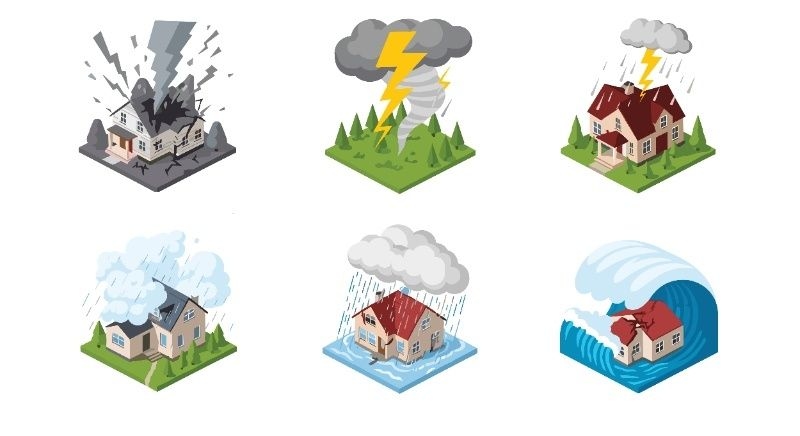
Protecting a community from changing weather starts with a strong climate resilience strategy. Many people now look to Climate Risk Insurance to help manage the financial costs of major storms or floods. The connection between insurance and climate change is becoming a main topic for homeowners across the country. It is not just about paying for damage after it happens but about finding ways to prevent it in the first place. Using smart planning helps families stay safe even when the weather turns very rough.
Having climate risk insurance provides a safety net that lets a family rebuild their life quickly. This type of coverage is specifically designed to cover the high costs associated with natural disasters.
This specific climate risk insurance ensures that a single flood does not ruin a person’s financial future. It provides the funds needed to start over without waiting years for government help.
Discover More Insights: Choose the Best Insurance Plan for Digital Nomads: A Guide
The link between insurance and climate change is why many people see their prices go up each year. When the earth gets warmer, the storms often get bigger and more expensive for the companies to pay for.
Understanding Insurance and Climate Change helps a person see why their agent asks for so many home updates. Keeping a house in good shape can actually help lower the cost of the policy over time.
Using disaster risk management is about being ready before a storm even shows up on the news. It involves making a clear plan for where to go and how to keep the house standing during a hurricane.
Good disaster risk management keeps the whole family calm during an emergency. It reduces the risk of injury and helps the house withstand the high winds or rising waters of a major storm.
People living near the ocean need special climate adaptation strategies to keep their property safe. This might mean raising the house on stilts or building walls to keep water from coming inside.
These climate adaptation strategies are vital for long-term living in areas with rising tides. They turn a vulnerable house into a strong fortress that can handle the elements for many years to come.
Many companies are now offering sustainable insurance solutions that reward people for being kind to the earth. These plans might offer extra money to rebuild a home using solar panels or recycled wood.
Picking Sustainable Insurance Solutions is a great way to help the planet while protecting your own assets. It creates a cycle of health where the home and the environment both get stronger together.
A good climate resilience strategy is never truly finished because the weather is always changing. Checking the plan every year ensures nothing is forgotten as the family grows or the house ages.
An updated climate resilience strategy is the best defense against the unexpected. It allows a homeowner to make small fixes now so they do not have to deal with major problems later.
A Closer Look at This: Umbrella Insurance Explained for Full Asset Protection
New tools are making disaster risk management much easier for the average person to handle. Phone apps can warn about a fire or a flood long before the sirens start blaring in the street.
Using technology within disaster risk management saves precious time when every second counts. It provides the information needed to make fast choices that can save a life or a home.
When a whole town uses climate adaptation strategies, the cost for everyone goes down. It might involve installing larger rainwater pipes or planting more trees to keep city streets cool in the summer.
These climate adaptation strategies create a more comfortable living environment for all residents. They prevent the type of widespread damage that can cause local taxes and insurance rates to spike.
Business owners also benefit from Sustainable Insurance Solutions by protecting their shops from weather stops. It helps them stay open for the community even after a big storm has passed through the area.
Solid, sustainable insurance solutions provide the stability a local economy needs to thrive. It ensures that the town can get back to work quickly after a natural disaster hits the region.
Farmers and ranchers are looking at climate risk insurance to protect their crops from heat and drought. It keeps the food supply steady even when the weather is not cooperating with the growing season.
This type of climate risk insurance is the backbone of a stable farming community. It allows the people who grow our food to take the risks needed to feed the entire country every year.
No person can handle the weather alone, which is why a community climate resilience strategy is so helpful. Neighbors working together to clear drains or help each other with shutters creates a safer town.
A shared climate resilience strategy builds bonds among people living in proximity. It creates a sense of safety and friendship that is just as important as the physical walls of a house.
Read the Full Guide: How Flood Insurance Works: Coverage, Claims, and Insights
Implementing a climate resilience strategy is the smartest way to protect your legacy. By choosing Climate Risk Insurance and Sustainable Insurance Solutions, you stay ahead. Focus on disaster risk management and climate adaptation strategies to secure your home. Take action today to build a safer future for your family.
It is a plan that helps a person or a town stay safe from big changes in the weather. This includes making homes stronger and having a clear guide for what to do during an emergency.
This insurance is specifically designed to cover the high costs of events like floods, fires, and hurricanes. It focuses on the dangers posed by a warming planet and larger storms.
These plans give people rewards for using green energy and materials that are good for the planet. They help people build better homes while also protecting the environment for future generations.
Yes, because many companies give discounts to people who take steps to prevent damage before it happens. Showing that your home is ready for a storm makes you a lower risk for the insurer.
This content was created by AI